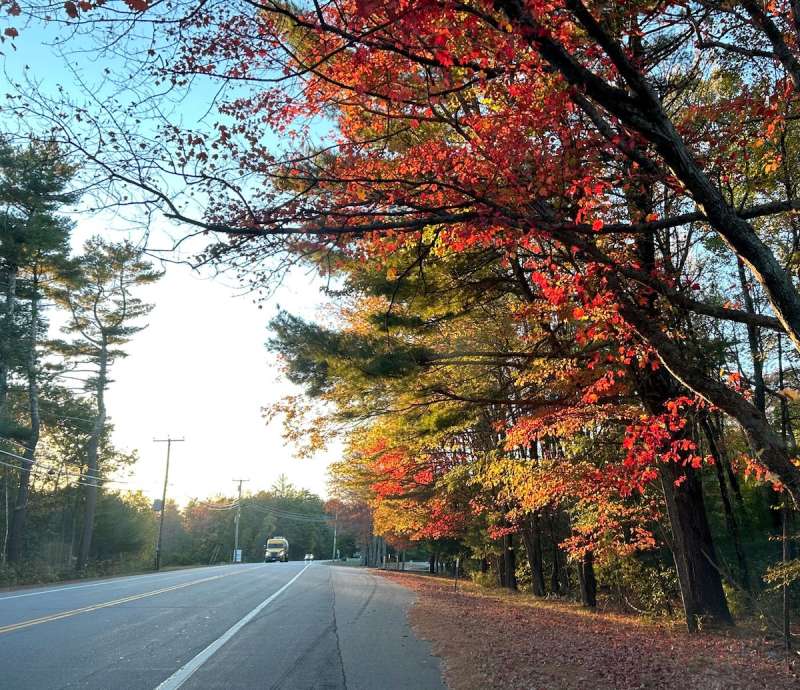
It may still be July, but fall will be here before you know it, ushering in the vibrant red and orange autumn leaves New England is known for.
The Old Farmer’s Almanac recently released their 2026 Fall Foliage Map and Forecast, and while it predicts near-average peak fall color this year, every autumn is unique. In New Hampshire, bright colored leaves will be visible in September and October, starting in the northernmost mountains before spreading through the state.
Here’s when and where to catch the best fall colors in New Hampshire and greater New England this autumn.
Best time to see New England fall foliage in 2026
According to the Old Farmer’s Almanac, leaves can change color anywhere from mid-September to early November, with northern states and higher elevations reaching peak colors first. As the northernmost region in the East, New England is one of the first regions in the country to see colorful leaves, with the peak arriving in late September through early October.
Specifically for this year, the Almanac’s fall foliage color map shows yellow leaves covering New England by the week of Sept. 20, orange colors popping up through late September and deep reds forming by Columbus Day. Once peak fall color arrives, it lasts for around just one week, so be sure to plan any leaf-peeping adventures accordingly.
New Hampshire foliage predictions 2026
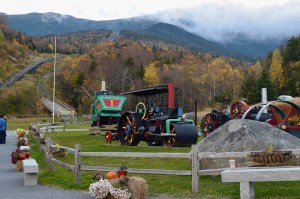
In New Hampshire, the Old Farmer’s Almanac says leaves begin to change color in late September in the Great North Woods. Foliage then peeks through the White Mountains in early to mid-October before reaching the Lakes and Monadnock regions in late October.
The Almanac recommends peeping fall leaves along the Kancamagus Highway, a 35-mile scenic byway running through the White Mountain National Forest, as well as the nearby Acadia National Park in Maine.
Why do leaves change color in the fall?
As plants receive less and less sunlight in the shortened days of fall, the production of chlorophyll, a substance which makes the leaves appear green by saturating them through turning sunlight into glucose, slows down. Without chlorophyll, the “true” color of leaves comes through, according to the Smoky Mountains website.
The biggest factor in the timing and brilliance of colorful fall leaves is weather, says the Old Farmer’s Almanac. Sunny days and cool nights often lead to brighter displays, but drought, heavy rain or early frost can cause a shorter, duller foliage season.
As the fall comes to a close, changed leaves begin to fall off their trees as the trees close off their veins in preparation for the cold winter, meaning the leaves no longer receive nutrients and therefore weaken at the stem.
This article originally appeared on Portsmouth Herald. Reporting by Catherine Messier.