A version of this story appeared in Granite Post’s newsletter. Subscribe here.
If you’ve always wanted to try ice fishing, here’s your chance. New Hampshire’s Free Ice Fishing Day is coming up on Saturday, Jan. 17. This annual event allows residents and non-residents to fish without a license for a day.
FYI, you’ll still need to follow the state’s regulations, which you can read more about here.
If you’re a first-timer, here are some tips to help you get started:
🎣 1. Safety First
• Check ice thickness: Make sure the ice is at least 4-6 inches thick for safe foot traffic. Use an ice chisel or auger to check thickness as you walk onto the ice.
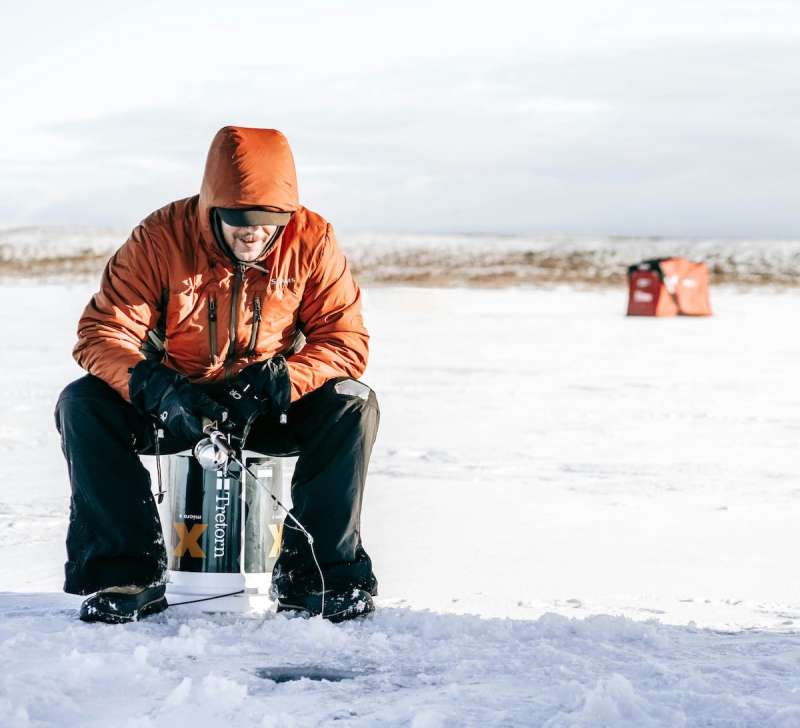
• Wear proper clothing: It will probably be colder out there than you think. Dress in layers, wear waterproof boots, gloves, and a hat.
• Bring safety gear: Carry ice picks (in case you fall through the ice), a life jacket, and a rope for emergencies.
• Bring snacks: This goes without saying.
🎣 2. Gear You’ll Need
• Ice Auger: This tool is used to drill holes in the ice. Hand augers are great for beginners, but power augers make it quicker.
• Ice Scoop: To scoop out slush and ice from the hole after drilling.
• Ice Fishing Rod and Reel: These are shorter and sturdier than regular rods, designed for fishing in small holes.
• Tip-ups: These are devices that sit over the hole and raise a flag when a fish bites. You can use them in addition to rods.
• Bait: Common baits include live minnows, worms, or maggots, as well as artificial lures like jigs.
• Bucket/Chair: Bring something to sit on while waiting, and a bucket to carry your gear and catch.
🎣 3. Drilling
• Drill the hole: Use your auger to drill a hole, then clear out the ice shavings with your scoop. Holes should be around 6-8 inches in diameter.
• Set up tip-ups or rods: Drop your bait into the hole, making sure it sinks near the bottom. Set your tip-up or place your rod securely near the hole.
Check out more tips from the state.
And if you’re lucky enough to catch a fish, use this handy guide to identify it.