We’re looking to highlight some amazing volunteers for an upcoming special edition of this newsletter—the kind of people who show up, lend a hand, and make New Hampshire a little brighter.
Do you know anyone we should talk to? Reply to this email and let us know!
|
|
|
P.S. I’m partnering up with Andy DeMeo, founder of Granite Goodness and New England Good News, to highlight uplifting stories and progress across the state every Thursday. Read up on DeMeo and scroll below for some Granite Goodness!
|
|
|
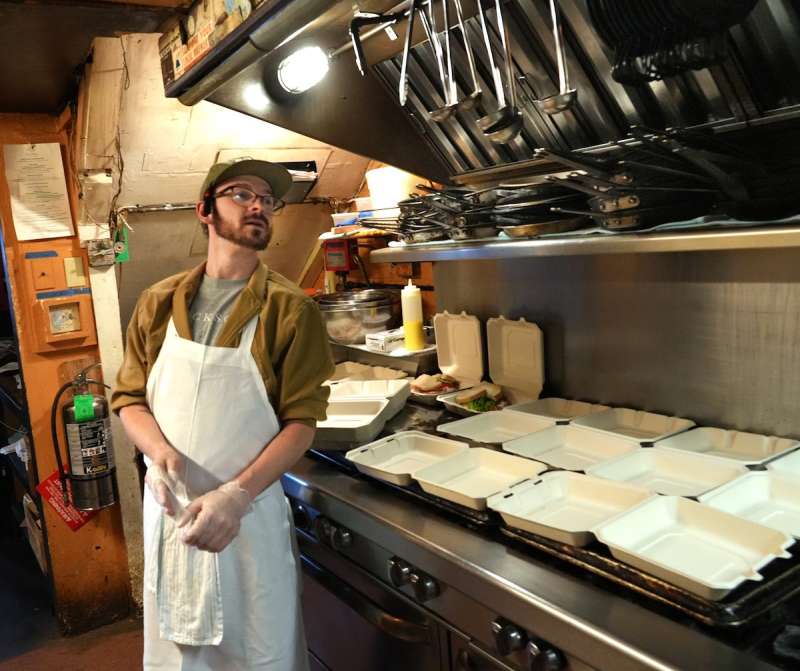
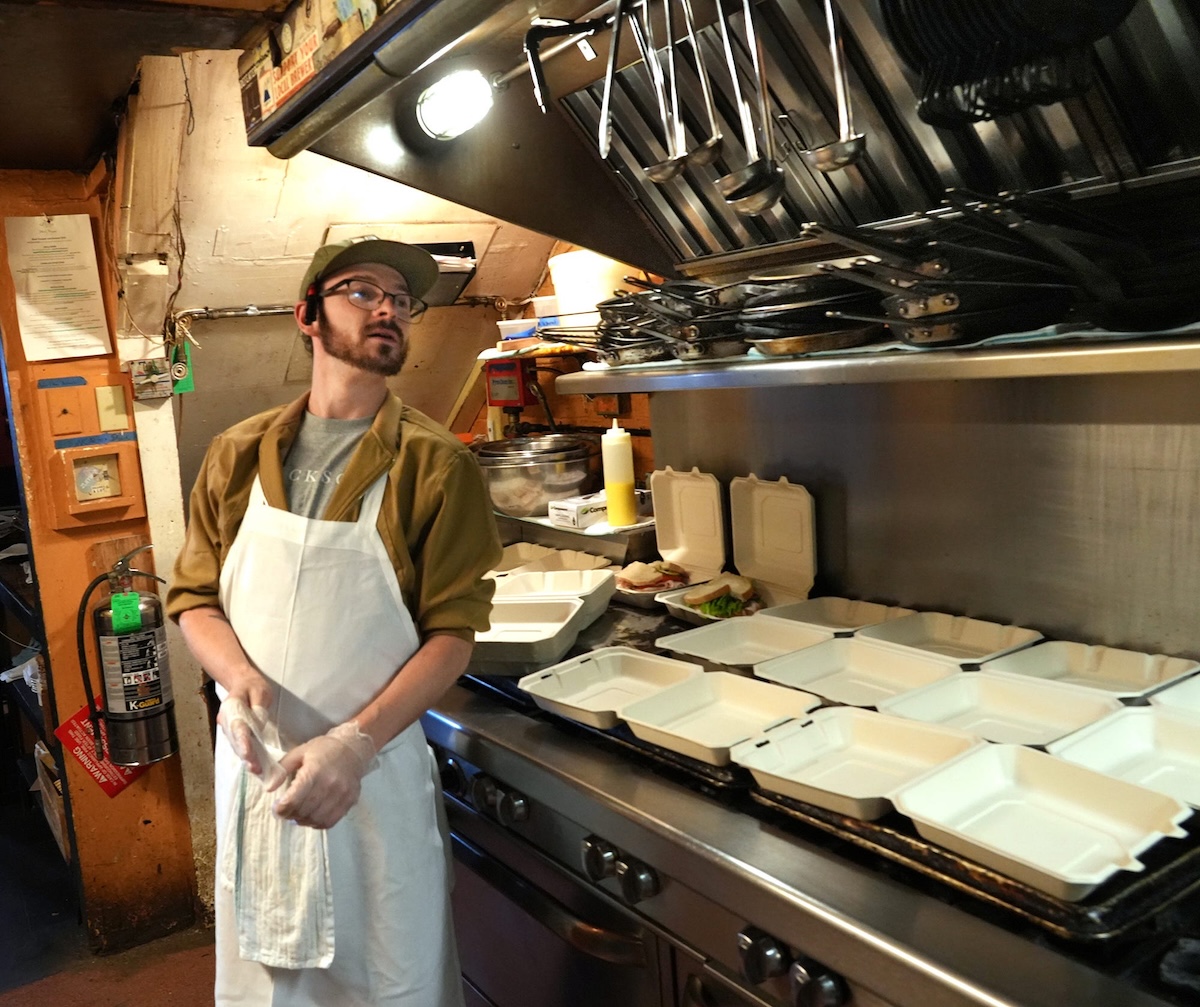
Black Trumpet sous chef Chase LaGrasse works in the kitchen preparing free lunches in the Portsmouth restaurant Nov. 3, 2025. (USA Today Network)
|
By USA Today via Reuters Connect
Black Trumpet Restaurant & Bar in Portsmouth is among the Seacoast restaurants stepping up to offer free meals as the US government shutdown has stalled SNAP benefits.
Chef Evan Mallett, a restaurant staff member and two volunteers bagged lunches Nov. 3 for distribution at the Ceres Street bistro. Mallett said his team would prepare 100 meals based on ingredients inventory and kitchen capacity, adding production might ramp up in the coming weeks if needed. He later reported 78 meals were distributed and 63 more were donated to Gather.
Mallett said he felt compelled to assist people recently thrust into food insecurity and financial unease. All are eligible and no pre-registration is required for the free meals.
“I’m just like everyone else who sees what’s going on and feels a sense of desperation and a strong desire to do something,” Mallett said. “It’s not always clear to most of us what it is that we can do. I am an exception in that I have this incredible vehicle that is my restaurant, its reputation and the following we have that when it’s time to do something for the community, the groundwork has already been laid.”
|
|
|
Did you know daylight saving time was first widely proposed by George Vernon Hudson in 1895? The goal was to make better use of daylight during the summer months. It was first implemented in Germany and Austria in 1916 during World War I to conserve fuel. Later, other countries, including the US, soon followed. The practice has been adjusted over the years, like during World War II, when the US adopted DST to the extreme with “War Time.”
From 1942 to 1945, clocks stayed an hour ahead year-round to save fuel and boost productivity for the war effort. After the war, most places went back to the old system.
This week’s question is…
|
What’s the worst (or best) part of switching the clocks?
|
Here’s what you’re saying…
“Regulating new sleep pattern.” — Sandy Keans
“I live in a household with two dogs, and believe me dogs do not understand the twice-a-year time changes. For the first week or so they wonder what happened to their feeding, walking, sleeping schedules. I’m with them, it’s such a stupid thing for so little benefit. I would like to see the practice stop.” — Rebecca Larson
|
|
|
The following briefs are presented in partnership with Granite Goodness. Subscribe today to Granite Goodness.
💼 Safer workplaces saves NH money for 14th year in a row
New Hampshire approved a 6.1% cut to workers’ compensation rates for 2026, the 14th straight annual decrease. The change saves businesses money, protects workers, and highlights long-term progress in safety, healthcare, and the state’s economy. — NH Insurance Dept
🌍 Dartmouth launches first CubeSat with NASA to unlock secrets of Earth’s radiation belts
Dartmouth researchers just launched their first CubeSat mission with NASA, sending a shoebox-sized satellite into orbit to study how high-energy particles escape Earth’s Van Allen radiation belts. Led by physics professor Robyn Millan, the project will deliver groundbreaking data that protects satellites and deepens our understanding of the magnetic shield that makes life on Earth possible. — Dartmouth
🎓 New Hampshire child‑care scholarship enrollment surges as state invests in workforce
More than 5,000 children are now enrolled in the state–federal Child Care Scholarship Program after expanded eligibility; families pay little or nothing for care, and lawmakers have allocated $15 million in one‑time funds for bonuses and benefits to support child‑care workers. — NH Bulletin
|
|
|
This is what democracy looks like
|
Ever wonder what’s keeping this whole thing—you know, America—from just totally falling apart? It’s not the folks yelling on TV or trolling online: It’s the quiet work happening in local communities like yours.
The real pillars of democracy aren’t marble buildings or political parties—they’re people. And keeping this country free comes down to simple, everyday acts of community engagement, volunteerism, and organizing.
Democracy isn’t just about elections, power, or who’s in charge. It’s all the little ways people work together to make America feel like home.
Yes, running for local office or volunteering at the polls are great ways to get involved, but this sort of work doesn’t always involve the ballot box.
Other ways you can do your part include:
✅ Donating food or supplies to local pantries to support families affected by the federal government shutdown.
✅ Backing community projects at public parks and libraries that make shared spaces stronger.
✅ Attending school board or city council meetings to keep local decision-making transparent.
✅ Having honest conversations with people you might not agree with—and choosing respect over outrage.
These small actions may not make headlines, but together they keep the system steady.
Don’t leave it up to the podcasters and talking heads on the news to tell you the state of your own democracy. Look around your community—because that’s where the real work of keeping America together happens.
What do you think?
|
|
|
💙 If you know of someone who deserves a shoutout for something cool they’re doing, email us at info@granitepostnews.com.
|
|
|
Would you recommend this newsletter to your neighbor?
|
|
|
Reach 30,000+ Granite Staters who care about their communities! Sponsor Granite Post’s Dec. 6 Special Edition, “How to Get Involved and Give Back this Holiday Season.” Book by Nov. 21, 2025, and save 20% off your placement.
Click here to get started.
|
|
|
You are receiving this email because you opted in via our website.
Our mailing address is:
Granite Post / COURIER
611 Pennsylvania Ave. SE
Washington, DC 20003-4303
Want to change how you receive these emails?
You can update your preferences or from this list.
|
|
|
|