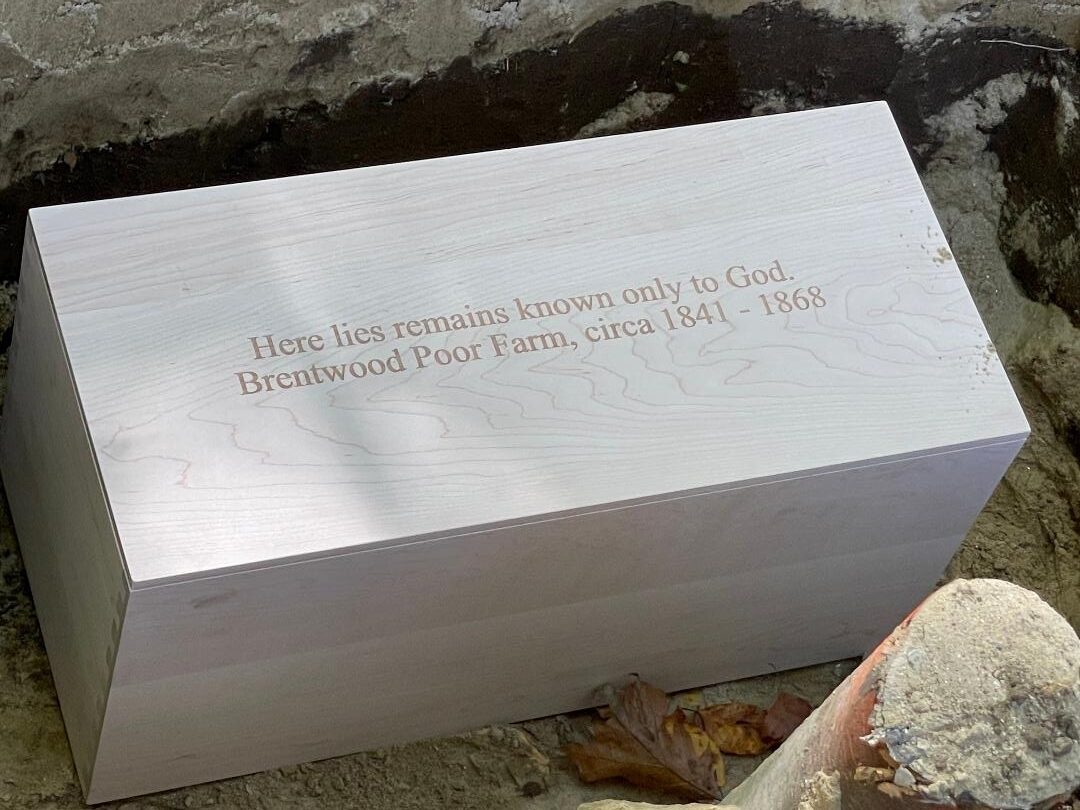
A local cabinet shop donated their time to craft a simple wooden box for the poor farm remains that was inscribed with “Here lies remains only known to God, Brentwood Poor Farm, circa 1841–1868.” Robbin Ray/UNH
For two years, about 30 students and researchers from the University of New Hampshire studied human remains uncovered during a 1999 construction project in Brentwood. The remains, which date back to the 1800s, were found on land that once housed the Brentwood poor farm, a facility that provided shelter for the impoverished.
The discovery was accidental. In 1999, a man living on land that had once been part of the poor farm had construction work done and part of the skeletons were inadvertently transferred the remains to a new field, where they were discovered by construction workers. The state medical examiner, along with local and state police, held the remains for 23 years before UNH was asked to examine them starting in 2022.
The bones were filled with dirt and were deemed “historic.” The team’s research focused on learning more about the lives of these individuals and the community they came from. Nine partially complete individuals and 54 bone fragments were uncovered. Researchers estimated that the adults were between 35 and 50 years old at the time of death, according to a report published in the Cambridge University Press. One skull fragment was believed to belong to a 17-year-old child.
Alex Garcia-Putnam, co-director of the Forensic Anthropology Identification and Recovery (F.A.I.R.) Lab at UNH, said the remains showed clear signs of arthritis, dental disease, and physical strain likely caused by the laborious life the individuals led.
“Right where two bones are coming together to form a joint, they can start rubbing together. That soft tissue breaks down. And over time, bones can actually fuse together if it’s severe enough,” Garcia-Putnam said. “We did see fused vertebrae, and we also saw remains that had been worn down by bone rubbing on bone.”
The UNH lab, which was established 5-6 years ago, specializes in forensic anthropology and archaeology. At the time of the discovery, there was no lab in New Hampshire that could conduct this type of analysis.
The Brentwood Poor Farm operated from 1841 to 1868, according to the report, and housed a fluctuating number of residents, often according to the season. Historical records show that 193 paupers lived in Brentwood, though the exact number of residents at any given time is unclear.
Poor farms were community institution where individuals were often divided into two categories—the “worthy poor” and the “unworthy poor.” The worthy poor were those who were poor due to disability and generally received better treatment, while the unworthy poor, who were impoverished for other reasons, often endured harder lives.
By 1868, maintaining the Brentwood poor farm had become too financially burdensome, and the property was sold to pay off debts from the Civil War. Despite the closure, the building continued to serve as a medical facility until the 1960s, with a particularly large influx of residents during the Great Depression.
The remains of the individuals uncovered in 1999 were reburied this fall following a short ceremony. A local cabinet maker crafted a box to house the remains and the collaboration involved the current landowners, the local historical society, the town’s cemetery officials, and the UNH lab.
“Marginalized folks, minorities, they don’t necessarily make it into the dominant historical narrative,” Garcia-Putnam said. “I can’t undo all of that, but if I can, it’s one small way to highlight some of these silenced or obscured narratives. It’s not perfect, but it’s a step in the right direction for a better, more inclusive history.”
Author
Support Our Cause
Thank you for taking the time to read our work. Before you go, we hope you'll consider supporting our values-driven journalism, which has always strived to make clear what's really at stake for New Hampshirites and our future.
Since day one, our goal here at Granite Post has always been to empower people across the state with fact-based news and information. We believe that when people are armed with knowledge about what's happening in their local, state, and federal governments—including who is working on their behalf and who is actively trying to block efforts aimed at improving the daily lives of Granite State families—they will be inspired to become civically engaged.

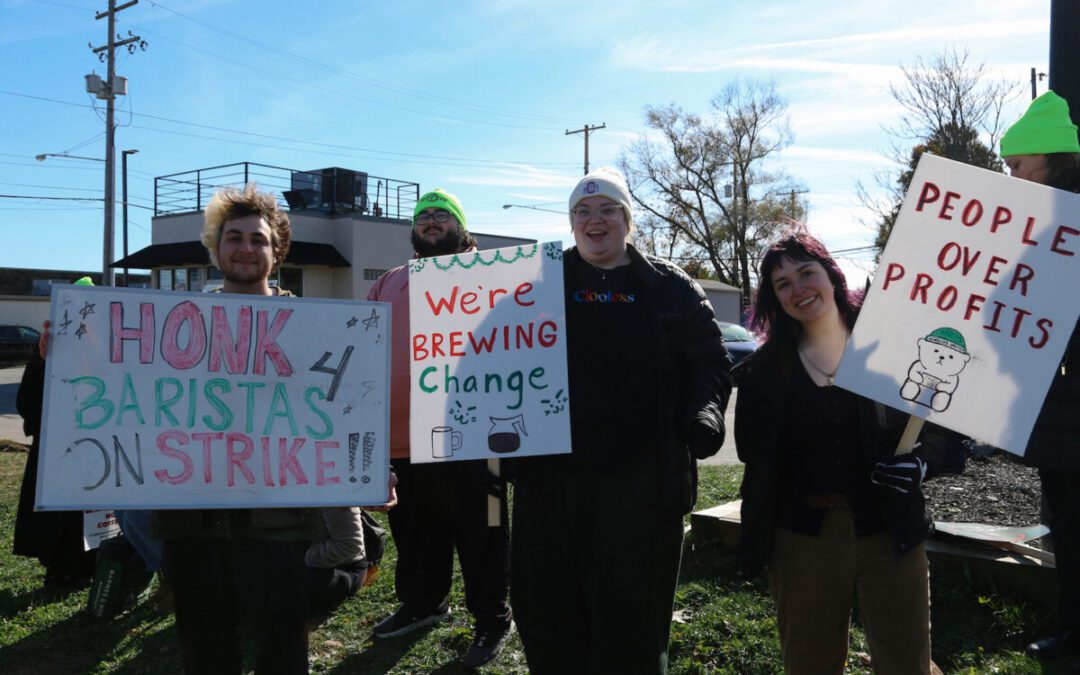
Ongoing Starbucks barista strike reaches NH stores
By Kathryn Carley Unionized Starbucks workers in New Hampshire have joined what is now the longest unfair labor practices strike in the...

Tri-Cities approve warming center funds. Will it open next winter?
The Somersworth and Rochester city councils voted this week to approve funding for a new Strafford County warming center, following the Dover...

NH parents and educators debate YA book’s place in school curriculum following recent removal
“The Perks of Being a Wallflower” was recently removed from a Concord school’s recommended reading list. Many have expressed displeasure over the...

We asked, you answered: How do you feel about Trump’s attempt to dismantle the Department of Education?
A version of this story appeared in Granite Post's newsletter. Subscribe here. The Trump administration is moving closer to dismantling the US...

WMUR’s Spirit of Giving Food Drive invites community support Dec. 12–14
WMUR’s Spirit of Giving Food Drive runs from December 12-14. Here are all the details. WMUR’s official Spirit of Giving Food Drive takes place this...

Black Mountain Beats the Clock (and Bretton Woods) in Season-Opening
Black Mountain broke NH resort records by opening for the season on November 17. Here’s what you need to know. On November 17, Black Mountain became...