
Students are more than twice as likely to stay and join New Hampshire’s workforce when they attend a four-year, in-state public college or university and participate in an internship program, according to a 2023 study by the University System of New Hampshire. (Adobe Stock)
New Hampshire’s lack of public higher education funding could impact future workforce development, according to a new study.
The New Hampshire Fiscal Policy Institute showed the state appropriated just over $4,600 per full-time student in fiscal year 2024, compared to the national average of nearly $12,000 dollars.
Nicole Heller, senior policy analyst for the institute, said with less state support, students take on more debt to cover tuition and fees, which can have long-term financial impacts.
“Saving for retirement or buying a house, that becomes more challenging when individuals have student loan debt that they need to pay off over time,” Heller explained.
The study found graduates from New Hampshire colleges and universities are more likely to have student debt than graduates in other states. Heller noted reduced state funding has also led the University of New Hampshire to issue layoffs, reduce student services and cut down on available work study programs.
New Hampshire’s workforce is older than the national average, with nearly one in five residents over the age of 65. Experts said the state is not providing the education funds needed to ensure a steady pipeline of future workers. Heller pointed out half of the state’s occupations projected to have the highest need for employees require at least a four-year degree, including software developers, financial managers, and nurse practitioners.
“There is the possibility that we’ll see workforce shortages if students can’t access education in these areas in order to fill our projected workforce needs going into the future,” Heller cautioned.
She added the nearly 18% cut to the University System of New Hampshire in the current state budget is likely to increase the funding gap between the Granite State and the rest of the nation. Still, data show students who attend public four-year institutions in New Hampshire tend to remain in the state to work, with more than 2,000 graduates doing so each year.
Support for this reporting was provided by Lumina Foundation.
Related: NH Republicans vote to subsidize private education for affluent families amid state budget crisis
Author

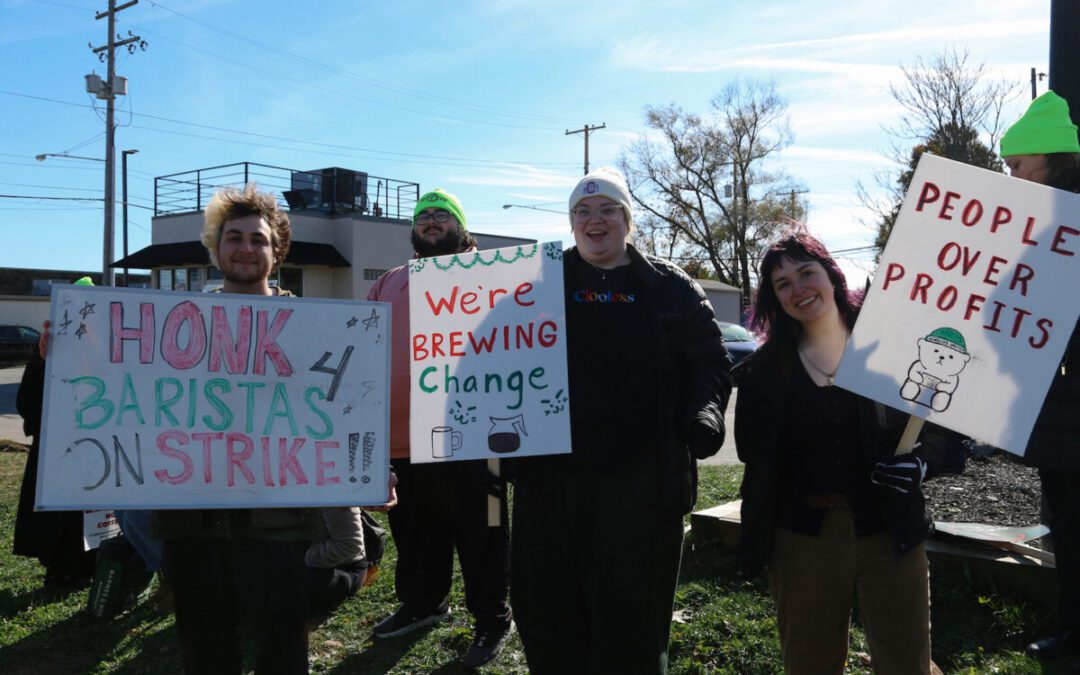
Ongoing Starbucks barista strike reaches NH stores
By Kathryn Carley Unionized Starbucks workers in New Hampshire have joined what is now the longest unfair labor practices strike in the...

Tri-Cities approve warming center funds. Will it open next winter?
The Somersworth and Rochester city councils voted this week to approve funding for a new Strafford County warming center, following the Dover...

NH parents and educators debate YA book’s place in school curriculum following recent removal
“The Perks of Being a Wallflower” was recently removed from a Concord school’s recommended reading list. Many have expressed displeasure over the...

We asked, you answered: How do you feel about Trump’s attempt to dismantle the Department of Education?
A version of this story appeared in Granite Post's newsletter. Subscribe here. The Trump administration is moving closer to dismantling the US...

WMUR’s Spirit of Giving Food Drive invites community support Dec. 12–14
WMUR’s Spirit of Giving Food Drive runs from December 12-14. Here are all the details. WMUR’s official Spirit of Giving Food Drive takes place this...

Black Mountain Beats the Clock (and Bretton Woods) in Season-Opening
Black Mountain broke NH resort records by opening for the season on November 17. Here’s what you need to know. On November 17, Black Mountain became...