Karner Blues became the official New Hampshire state butterfly in 1992, but by 1995, there were only an estimated 50 Karner Blue butterflies in the state due to habitat loss. Ed Reschke/Getty
Did you know the New Hampshire state butterfly is endangered?
A small blue butterfly with a wingspan of one inch, the Karner Blue (Melissa Blue) is New Hampshire’s state butterfly — and it’s currently only found in a small population in southern New Hampshire, New York, Michigan, Wisconsin, and Ohio.
You can identify male Karner Blue butterflies by their silvery blue or dark blue wings, while females have gray-brown wings with bands of orange inside.
Karner Blues are typically found near oak savannas and pine barrens in semi-shaded areas, where the Karner Blue caterpillar eats wild bluebonnet flowers, also called lupine. They became the official New Hampshire state butterfly in 1992, but by 1995, there were only an estimated 50 Karner Blue butterflies in the state due to habitat loss.
Efforts to save the butterfly have been underway in the state since it was thought to have been extirpated in 1999, with its last sighting in a power line corridor in Concord. New Hampshire Fish and Game biologists initiated a rescue effort by collecting Karner Blue butterfly eggs from New York in 2000 before raising and releasing thousands of adult butterflies into the wild a year later.
New Hampshire Fish and Game continues to manage 300 acres of pine barrens habitat in Concord, with controlled burning, brush cutting, and native vegetation planting to support stabilizing the Karner Blue butterfly population.
Conservation groups have also been involved. In 2000, Kids for Karners was established to involve local school children. Over 15 years, students from Concord schools grew lupine in their classrooms and planted it in the spring to improve the butterfly habitat.
To donate or for other ways to help, click here.
Author

Support Our Cause
Thank you for taking the time to read our work. Before you go, we hope you'll consider supporting our values-driven journalism, which has always strived to make clear what's really at stake for New Hampshirites and our future.
Since day one, our goal here at Granite Post has always been to empower people across the state with fact-based news and information. We believe that when people are armed with knowledge about what's happening in their local, state, and federal governments—including who is working on their behalf and who is actively trying to block efforts aimed at improving the daily lives of Granite State families—they will be inspired to become civically engaged.


Epsom sanctuary gives senior dogs a peaceful goodbye
Across the country, senior dogs are surrendered in heartbreaking numbers—too slow, too sick, too complicated. In one quiet corner of New Hampshire,...
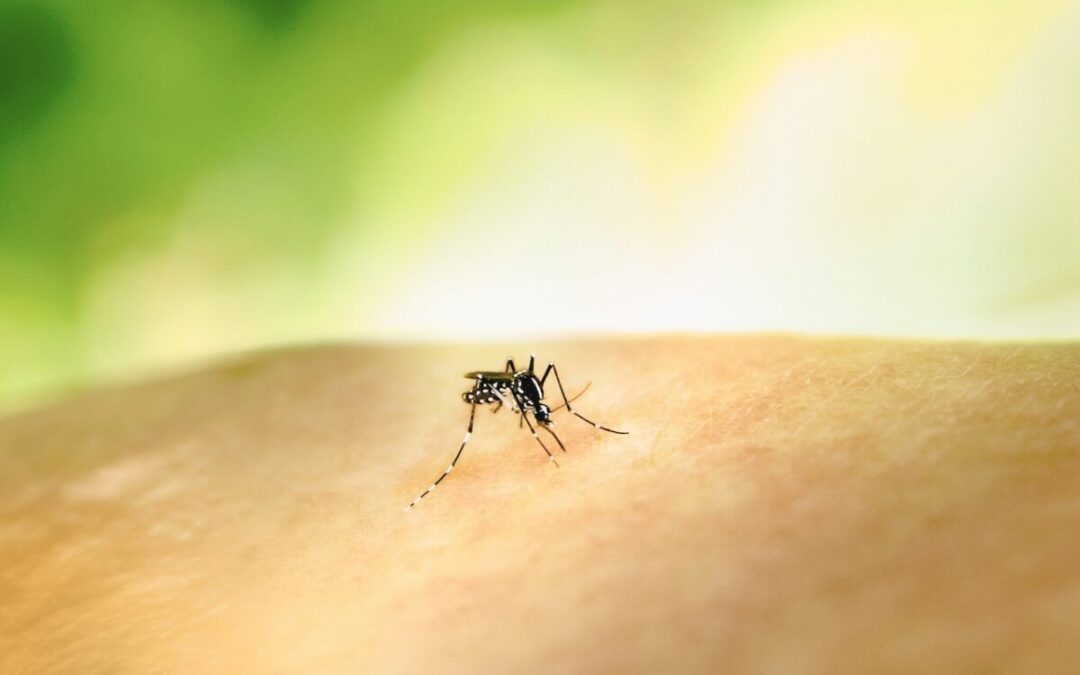
The world’s deadliest animal is probably outside your New Hampshire home. See what CDC says
The world’s deadliest animal is probably outside your home right now. And no, it’s not a bear, or even a moose – it’s a mosquito. Despite its small...
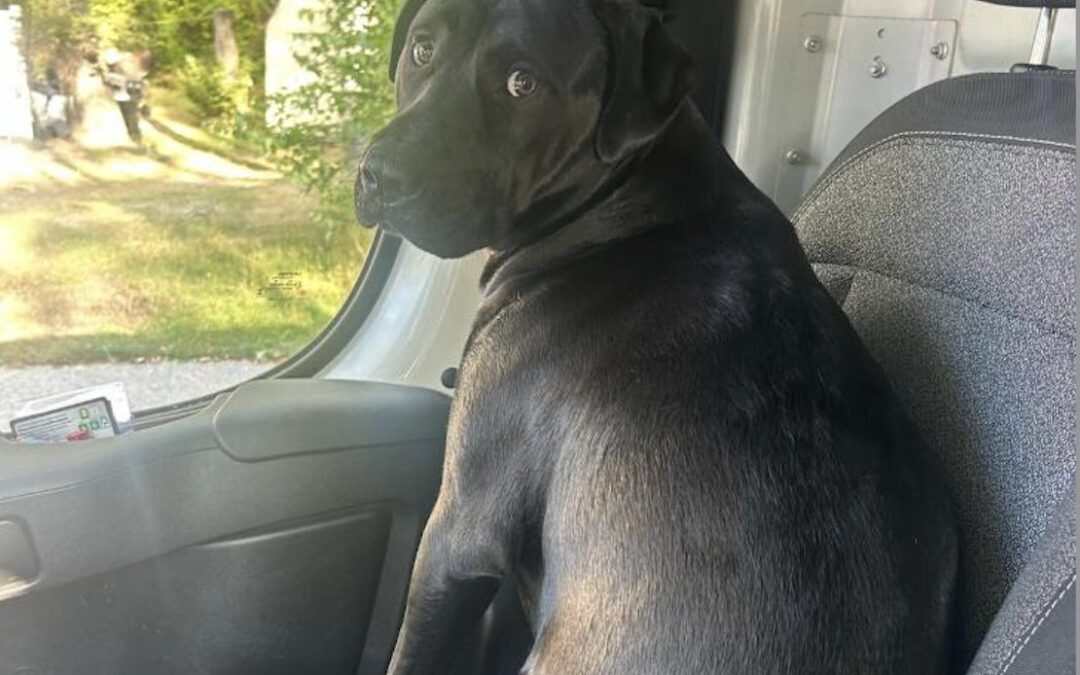
Oil truck driver saves dog in Rochester fire: ‘What a courageous act’
Matthew Wrisley, an oil truck driver for D.F. Richard Energy, is being credited with saving a family's dog in a fire that destroyed their home Sept....

This is New Hampshire’s most popular cat name
This story appeared in the Granite Post's newsletter. Subscribe here. Ever met a cat named Lily? Turns out, it’s the most popular cat name in New...

The sweet reason why New Hampshire has a new state marsupial
Vivien Deal-Sosa worked alongside her Chesterfield School classmates to petition for the Virginia opossum to become NH’s state marsupial. Here’s how...

If your dog had a job, what would it be? Readers share their pup professions
Ever wonder what your dog would do if they had a 9-to-5? We recently asked readers to imagine their pup in the workforce—and their answers did not...