Manchester-based media entrepreneur Anthony Payton said BIPOC journalism is crucial for the Granite State. (Courtesy of Anthony Payton)
Brooklyn native and media entrepreneur Anthony Payton said he’d never imagined getting on the path of journalism, especially in the Granite State.
Payton, who was formerly incarcerated for seven years, is a New Hampshire-based journalist, and the publisher of a young news outlet called Nashua Digital. He found his way into journalism by accident after being released from federal prison.
He published his first journalistic piece in 2020, and has since become a staunch advocate for the rights of formerly incarcerated people, and for the various pockets of Black, Indigenous, and other people of color in the state.
Ahead of Juneteenth, Payton spoke with the Granite Post about his own journey and the need for BIPOC journalism in the state, now more than ever before.
Where are you originally from? What brought you to New Hampshire?
I was born and raised in Brooklyn, New York. I became a resident of New Hampshire in 2007. I had a friend of a friend who involved me in doing the worst of things. So profit margins on the drugs we were selling are what brought me here.
What pushed you onto the path of journalism?
I’ve always been a writer in some shape, form, or fashion. I loved creative writing and nonfiction. And when I got out (of prison), I started writing for Carol Robidoux for Manchester Ink Link in 2020, who I was introduced to through a drug and alcohol counselor. She made me write regular columns called “The Transition” that were based around my release from incarceration. I wanted to chronicle things from the eyes of a formerly incarcerated person.
And then I got connected to Melanie Plenda at Granite State News Collaborative, and Kristen Nevious, a professor at Franklin Pierce University. I call these women the “crazy white women” in my life. They did not care where I came from, how tough my background was. They just saw talent in me and said, “We want to hone it.”And that’s why I am here.
Before 2020, when you officially started writing in the capacity as a journalist, do you recall writing something that stuck with you, or any piece of personal writing that is close to you?
I was doing a lot of personal writing. I had done seven years in a federal prison. So there was this gap from society, a seven-year gap. And I fed that writing need when I was inside.
I had some half-written screenplays and things like that, and entered a few contests. I came in second place for one. But I had never written on a professional scale, until I got connected with the Manchester Ink Link. My first piece for them was called “Halfway Out,” about my life immediately after incarceration.
So once you established yourself in the journalistic landscape in New Hampshire, how did Nashua Digital come into being?
The Granite State News Collaborative was talking about a potential news desert emerging in Nashua, with the Nashua Telegraph downsizing a bit. I started hearing concerns from local activists in Nashua about lack of media presence, too.
So I started Anthony Payton Media, and made Nashua Digital a flagship endeavor. But financing is always an issue; Nashua Digital is community service and I do not put anything into my pocket.
Tell us about your TED Talk? How did that end up happening, and what was the theme of your presentation?
When the TED people reached out to me saying I had been nominated, I honestly did not know how to react. But I just went along with it. I think my opening line in the questionnaire they asked me to fill out was what grabbed their attention.
My opening line was: “ I sat in a prison cell staring at an ultrasound picture of my unborn child…”
The talk was about my upward trajectory since my release.
When I got home by myself after the Ted Talk, I cried. I went about 72 hours without good sleep. It drained me, but it made me stronger, that level of vulnerability.
Circling back to journalism, how important do you think the voices of BIPOC journalists and community members such as yourself are important to be portrayed in the media in New Hampshire, which is predominantly white?
It is very important. I once heard someone say that, “If you’re not at the table, if you haven’t been invited to the table, you’re probably on the menu,” and it’s stuck with me.
We have to get in those spaces, and that cannot happen if we do not support one another. As a Black American male, if I’m sitting in a closed room, it is my duty to defend all racial and ethnic communities.
At the same time, people should not misconstrue that waving the BIPOC flag means we’re anti-white. No. It just means that we all want to come on an equal footing.
What sort of piece of advice would you have for white journalists in the state covering BIPOC issues?
Don’t be afraid to find allies within the BIPOC community. I understand how sometimes when white journalists happen to slip up, we throw axes at them.
We’re all prone to making mistakes, but as a BIPOC journalist I want to say that it isn’t possible for them to do their work without our assistance, so we need to help them clear out their blindspots.
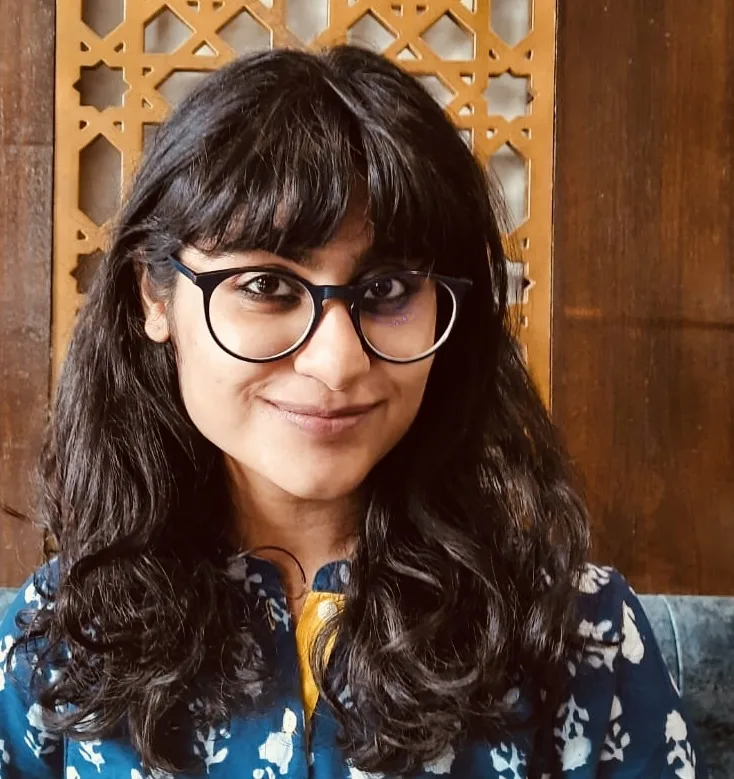
Author
Support Our Cause
Thank you for taking the time to read our work. Before you go, we hope you'll consider supporting our values-driven journalism, which has always strived to make clear what's really at stake for New Hampshirites and our future.
Since day one, our goal here at Granite Post has always been to empower people across the state with fact-based news and information. We believe that when people are armed with knowledge about what's happening in their local, state, and federal governments—including who is working on their behalf and who is actively trying to block efforts aimed at improving the daily lives of Granite State families—they will be inspired to become civically engaged.

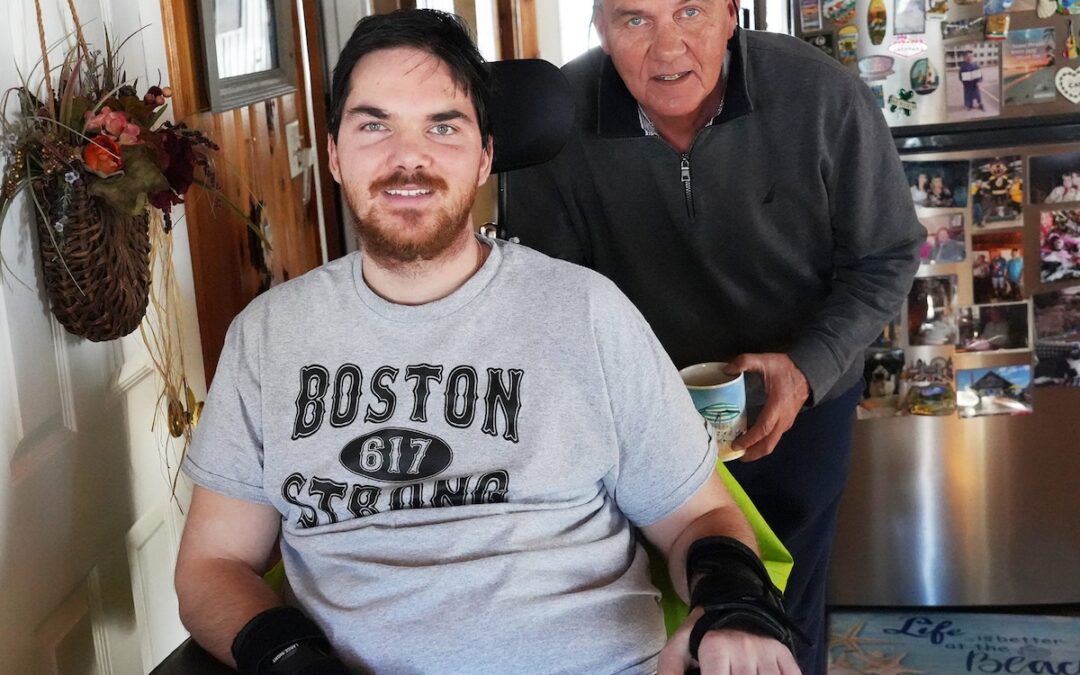
Hampton rallies for young mechanic paralyzed in crash: ‘Miracle he survived’
Bobby Connell always made time to help out at his old job at Farr’s Famous Chicken, cooking alongside owner Paul Conway even after he’d moved on to...
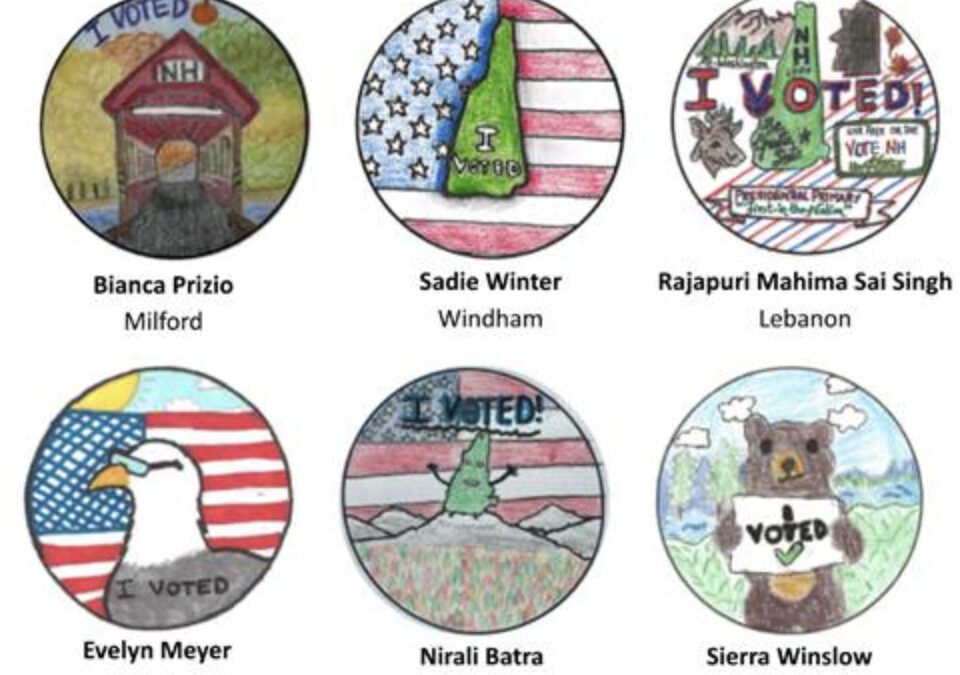
Six students win New Hampshire’s 2025 ‘I voted’ sticker contest. See the winning designs
New Hampshire officials have announced the six winning designs in the 2025 “I Voted” Sticker Contest, a tradition that invites young Granite Staters...
We asked, you answered: How are health insurance hikes impacting you?
Health insurance prices are going up—a lot. If you buy coverage through Healthcare.gov here in New Hampshire, premiums are expected to rise about...

We asked, you answered: How do you feel about daylight saving time?
Did you know daylight saving time was first widely proposed by George Vernon Hudson in 1895? The goal was to make better use of daylight during the...
We asked, you answered: How has your outlook changed since Trump took office?
A version of this story appears in the Granite Post newsletter. Subscribe here. Politics in Washington can feel far away, but the impacts hit home...

We asked, you answered: What frustrates you about your political party?
A version of this story appears in the Granite Post's newsletter. Subscribe here. Political parties are full of ideas, energy, and occasionally…...