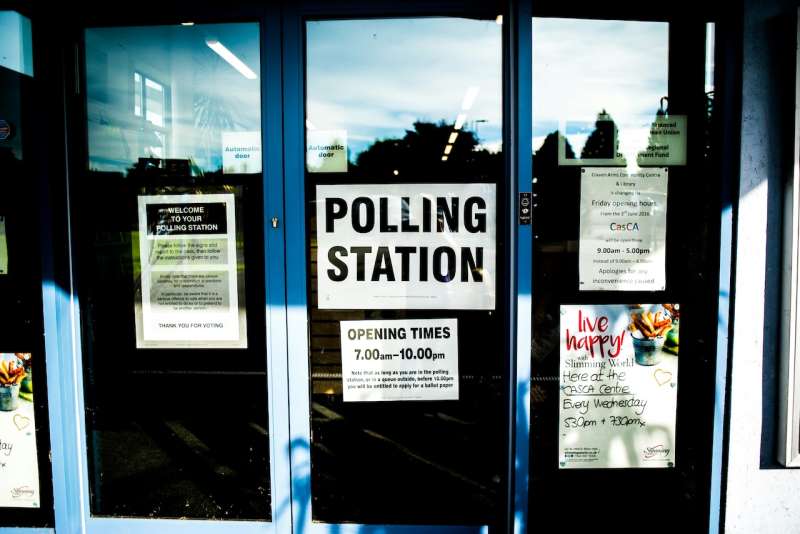
Election season means political ads, mailers, texts, yard signs, and social media posts everywhere. But how do New Hampshire voters actually decide which candidates deserve their votes?
With Election Day approaching on Nov. 3, we asked Granite Post readers where they get their information about political candidates before heading to the polls.
Some New Hampshire voters said they rely on trusted news organizations, candidate voting records, and nonpartisan resources. Others said they pay attention to campaign funding, attend political events, or look at candidates’ past actions rather than their advertisements.
Below we share what readers had to say about how they research candidates and make voting decisions.
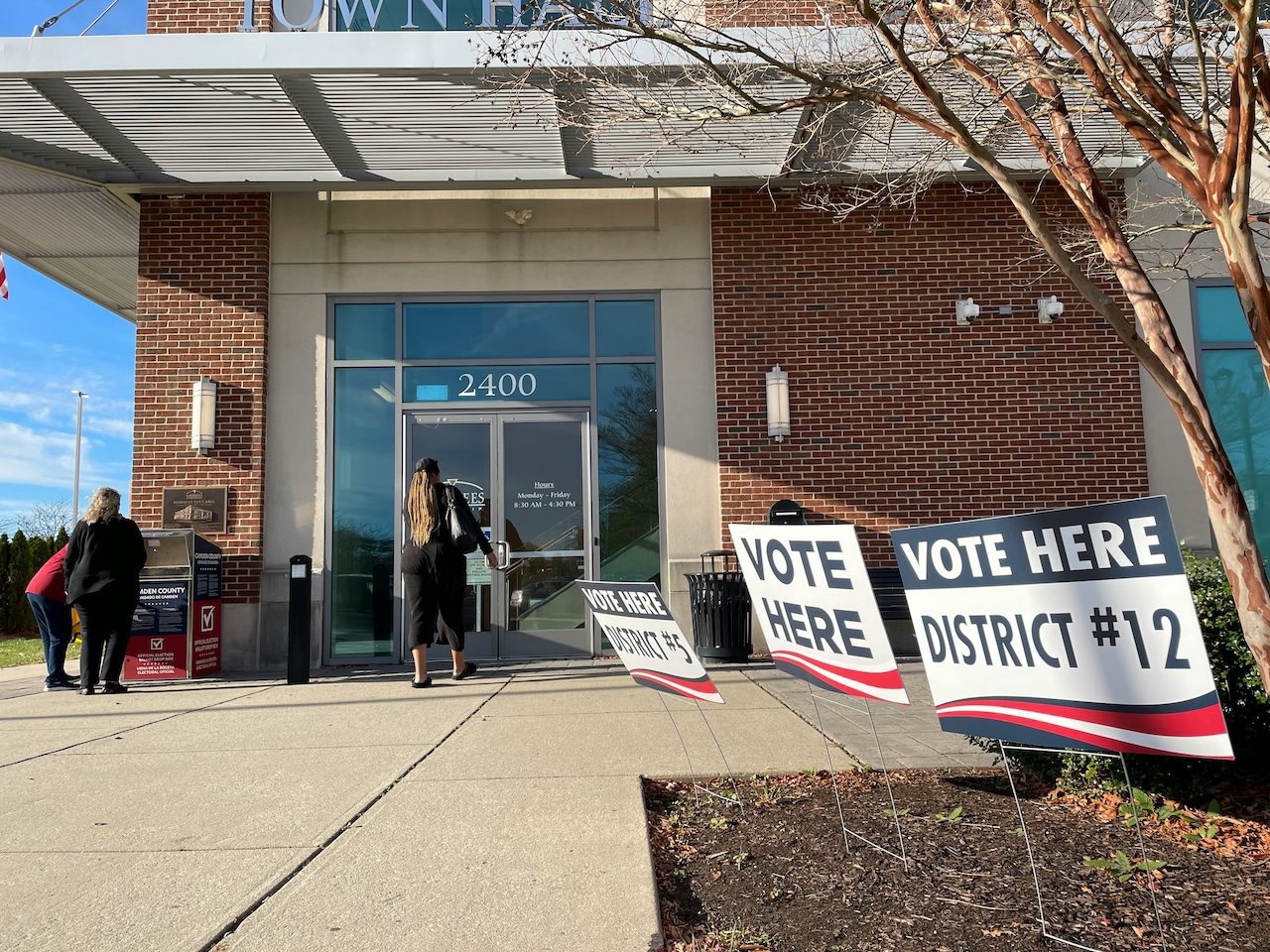
Where New Hampshire voters find information about candidates
For New Hampshire voters looking beyond campaign promises, there are plenty of ways to learn more about the people running for office. Here’s how some Granite Post readers approach their election research.
“Citizens Count (a nonpartisan NH-based organization with a long track record) has informative, balanced profiles for all the candidates. You select your town from the pull-down menu to see a list of all the candidates that will be on your ballot. There are links to their website, and if they completed the Citizens Count candidate issue survey, you can view their responses. For current or past elected officials, you can review their legislative record and more. If you become a member (it’s free) you can compare candidates and bookmark pages.” — Becky Stoughton
“I actually sign tons of petitions and am always calling the Washington switchboard to make direct contact with those serving in Congress. I watch public television, ‘Firing Line with Margaret Hoover’ and Sunday morning programs.
“I listen to NPR on the car radio as well. I do go to political events and am in contact with Alice Passer in Greenland, who is fantastic at helping keep us up to date with Democratic events and politicians. I look things up online and search for what events are occurring, as well as specifics on events from the day. It is exhausting, and I will be so glad when voting is over and hopefully we get some sanity back in our lives. But who knows?” — Elaina Valzania
“I rely on media sources that I consider to be honest and reliable: The New York Times, CNN and PBS. I read interviews presented by these sources. I used to watch debates, but political discourse has become personal and mean-spirited recently, so I rely more on what I see in a candidate’s eyes in close-up pictures as opposed to what their mouth is saying. I also try to do some research into voting records where applicable. This may all seem quirky, but this is a very personal process, and it works for me.” — JoAnn Carlson
Why some New Hampshire voters don’t trust political ads
Political advertisements are nearly impossible to avoid during election season, but not all New Hampshire voters find them helpful. Some readers said negative campaign ads actually turn them away from candidates.
“I get my information from my memories of their political and voting history. Lived reality is much more reliable than advertising.” — Laura Hoglund
“I do not get information from the political ads and if anything it disgusts me. All they do is attack each other and I don’t believe any of them. I usually silence the political ads. I get information by reading and not social media.” — Dawn Polmatier
How voting records and campaign behavior influence New Hampshire voters
For some New Hampshire voters, a candidate’s actions speak louder than campaign promises. Readers said they pay attention to voting records, political history, campaign funding, and how candidates conduct themselves before deciding who deserves their support.
“I follow news reports that are trustworthy. I listen to what candidates have to say, and I watch how they interact in the community at large. For example, Jon Stone in Sullivan County, a Republican candidate, has a history as a felon that is well known. Yet he has a chance to win in the upcoming Nov. 3 election.
“Why doesn’t that criminal record count against him? Are people not paying attention? That is just one example. At the higher level, the current governor of NH doesn’t vote in favor of legislation that is important for the greater good of most NH residents. So I will vote for Warmington. People need to watch what the candidates are doing, watch what they stand for, and see what their record is.” — Cynthia Boland
“I find my candidate information simply by paying attention. I listen to what candidates say, watch how they advertise and look at who’s funding their campaigns. For example, Sununu’s ads are paid for by Trump, and his campaign signage is funded by Trump’s PAC.
“I also pay attention to the content of his ads and how frequently he brings up Pappas’ spouse. To me, it’s pretty clear what he’s doing. It’s an attempt to appeal to voters’ homophobia rather than focus on the issues that actually matter. I believe you can learn a lot about a candidate by paying attention not only to what they say but also to how they choose to campaign.” — Nono

How do you research candidates before voting?
From voting records to news coverage and campaign events, New Hampshire voters are doing their homework before heading to the polls. And as these responses show, what earns one voter’s trust might raise red flags for another.
With Election Day coming up Nov. 3, we want to hear from you, too. What sources do you trust when researching political candidates? And how much do campaign ads influence your decisions?
Subscribe to the Granite Post newsletter to join conversations about the issues shaping New Hampshire and see what other Granite Staters think.
And don’t forget to check out our comprehensive voting guide here.
Related: Political ads are everywhere in NH. Do they actually work?