Dover is pursuing a historic designation for Pine Hill Cemetery with a goal to pursue grants for an estimated $1 million restoration of Ricker Memorial Chapel.
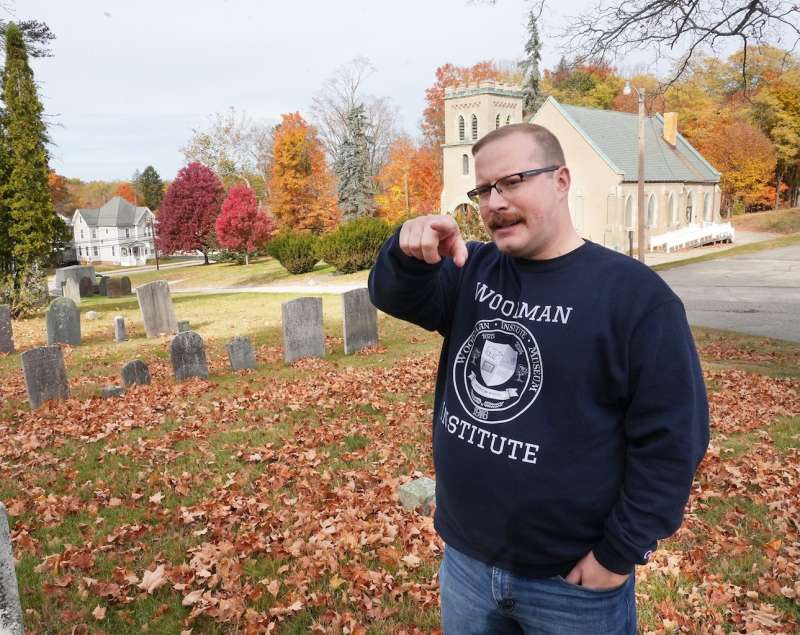
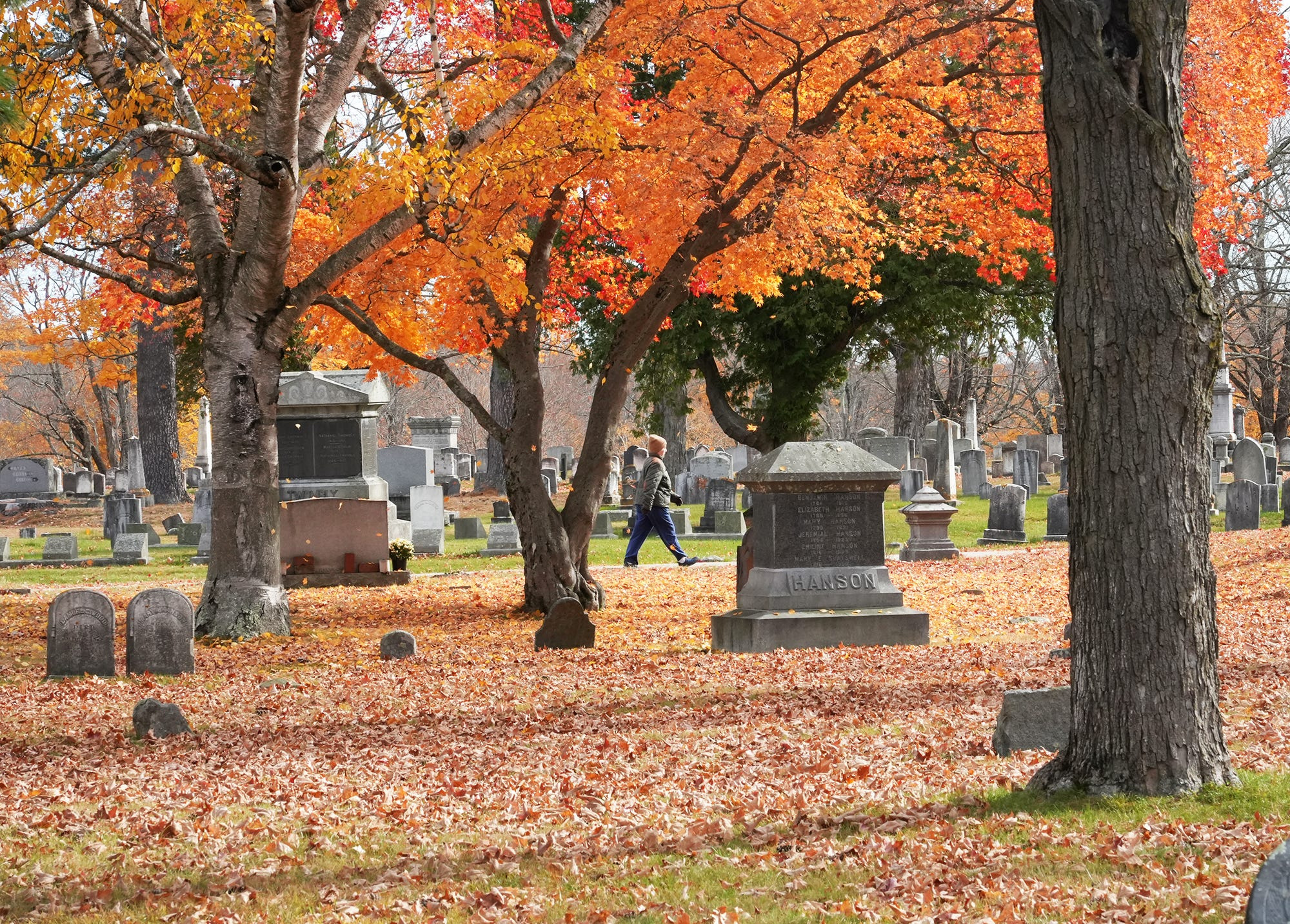
The city-owned, 75-acre burial ground is home to the chapel, which is located on the outskirts of downtown off Central Avenue.
The chapel is not currently in use, according to Makayla Edgecomb, an assistant city planner, who said it’s in need of restoration, with city officials concurring. Dover Mayor Dennis Shanahan said the chapel is in need of “dire need of attention.”
Edgecomb said she has been involved with applying for a historic site designation through New Hampshire’s Division of Historical Resources. She learned the chapel and cemetery would have to be designated together because it’s a single parcel.
What’s needed to repair Ricker Chapel?
Christopher Parker, the deputy city manager who has been selected as Dover’s next city manager, said Edgecomb and Eric Sanderson, the city’s facilities project manager, are working with a consultant retained through a grant “to look at potential options for the chapel.”
According to John Storer, director of community services, the chapel is projected as a fiscal year 2029 funded project and would cost $1 million, according to the city’s capital improvement program. It calls for repairs to the slate roof and other repairs, plus a structural engineer assessment, including reviewing the bell tower.
Parker said the chapel effectively hasn’t been used since 2020, when the city’s Facilities, Grounds and Cemetery headquarters were built on the edge of the cemetery. The chapel and another building had been used for those operations until that time.
“We’re looking at what would need to be done to shore up the building, make it more usable long-term, and then have use in it whether it’s municipal or as a chapel,” said Parker. The specific future use is not yet known, he said.
He said Dover is waiting for the consultant’s report before pursuing grants. Parker said the city has some money in the CIP “to button up the building, making sure that it’s watertight, weather tight.”
“The chapel certainly is a key component of Pine Hill Cemetery,” said Parker.
Pine Hill Cemetery history in Dover
City Councilor Lucas Veitch, who is on the city’s Cemetery Board, said in an email the board voted unanimously to recommend staff pursue the historical designation.
Edgecomb said the historic designation would make the property eligible for more grant opportunities that would make it more likely for Dover to return the chapel “to a usable space.”
The cemetery was first used by Native Americans, according to the city. It became the town cemetery in a town meeting vote on March 29, 1731, where one-and-a-half acres were set aside for a burial ground.
Many people significant to Dover and American history are buried at Pine Hill Cemetery, said Jonathan Nichols, executive director of the Woodman Museum in Dover. A lot of the museum founders are buried there, including Annie Woodman, who established the museum in her will. John Parker Hale, an abolitionist U.S. senator and owner of the Hale House, which is part of the Woodman Museum, is also buried at the cemetery. Charles Henry Sawyer and Noah Martin, who both served as governor of New Hampshire, are buried there, too.
Cemetery’s trees need protection, too
Pine Hill has long been a place people visit for more than just its gravesites.
Russ Warnock, who serves on the Dover Conservation Commission and is volunteering with the Cemetery Board on a potential arboretum project at Pine Hill, said the cemetery “is incredibly valuable green space for this community. … People go for walks in the cemetery.”
Warnock said more than 50% of the cemetery’s trees are sugar maples and many are deteriorating. Warnock said the arboretum project, separate from the historic designation effort, would seek to care for the trees. The plan is being formulated and will be proposed to the Cemetery Board in December, he said.
This article originally appeared on Fosters Daily Democrat. Reporting by Sarah Donovan, Foster’s Daily Democrat.
Subscribe to our newsletter for more New Hampshire news.