Perhaps you have heard this one before:
“How can you tell when a politician is lying”?
“Their lips are moving.”
Yes, you should be skeptical when politicians make claims that are exaggerated or even “alternative facts.” But what about when you see video or hear audio of someone? That’s hard evidence that they did or said something, right?
Not necessarily.
Artificial intelligence (AI) has made extraordinary progress in the last couple of years. I know, because I have been in computer science for 50 years, was a computer science professor at Dartmouth College for just shy of 30 years, and I chaired the computer science department for six years. I’ve been following AI for decades, and the explosion in AI’s capabilities that you read and hear about—it’s true. AI can now produce “deepfakes”—video, audio, and images—that are fake, but seem so real that only an expert can tell whether media constitutes a deepfake.
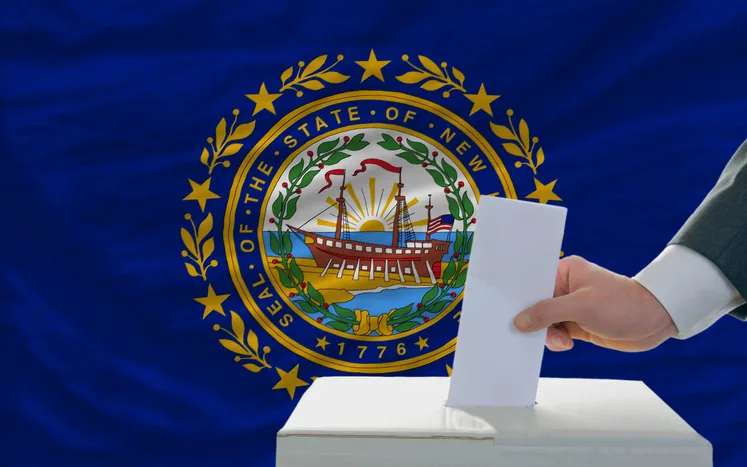
Are deepfakes going to influence our elections? Not only are they going to, they already have. Recall the audio just before the New Hampshire Primary of President Biden telling people not to vote. Except that it wasn’t President Biden, it was a deepfake. Not a particularly good one, but good enough to fool some people. And deepfakes are only going to get better.
It is one thing when a politician exaggerates or lies. You’re ready for that. It’s something else when there’s a deepfake video, audio, or image. That is fabricated evidence, and it must be disallowed.
Fortunately, there is a bill in the New Hampshire House, HB 1596, that bans deepfakes during election season. It is sponsored by Rep. Angela Brennan (D-Bow), and I am a cosponsor. We coordinated this bill with two others: HB 1432, which sets criminal and civil penalties for defamatory deepfakes, and HB 1688, which I sponsored and limits what our state agencies may do with AI. HB 1596 is the third part of this package of the first AI bills in New Hampshire.
HB 1596 will be coming to the floor of the House for a vote on Thursday. It should be a no-brainer since, after all, deepfakes can damage both Republicans and Democrats. Yet it somehow became a partisan issue in the Election Law Committee, even though the bill contains protections for broadcasters, internet service providers, and satire.
Disinformation in elections is bad enough as is. Let’s take steps to not allow it to get worse. Please contact your state representative and ask them to vote for HB 1596.