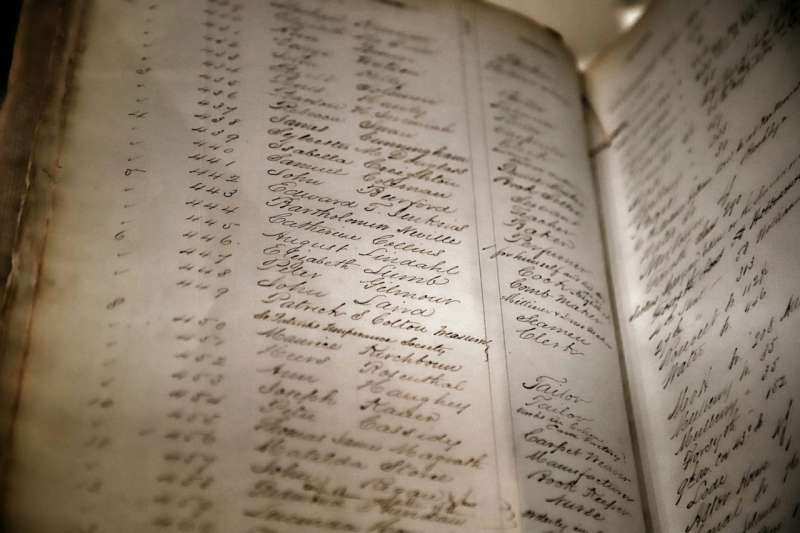
New Hampshire voters will decide whether to eliminate an elected position that has been around for centuries, even though the job now comes with a $100 annual salary and almost no responsibilities.
The NH register of probate amendment is one of the questions on the ballot Nov. 3. It would remove the position from the state constitution, ending elections for an office that lost most of its duties more than a decade ago.
But this isn’t the first time New Hampshire voters have been asked to get rid of the position. A similar amendment failed in 2022, falling short of a two-thirds majority required to pass it, despite receiving nearly 63% support.
Here’s what you need to know about the proposed constitutional amendment, what a yes or no vote means, and why the position still exists.
What is the register of probate in New Hampshire?
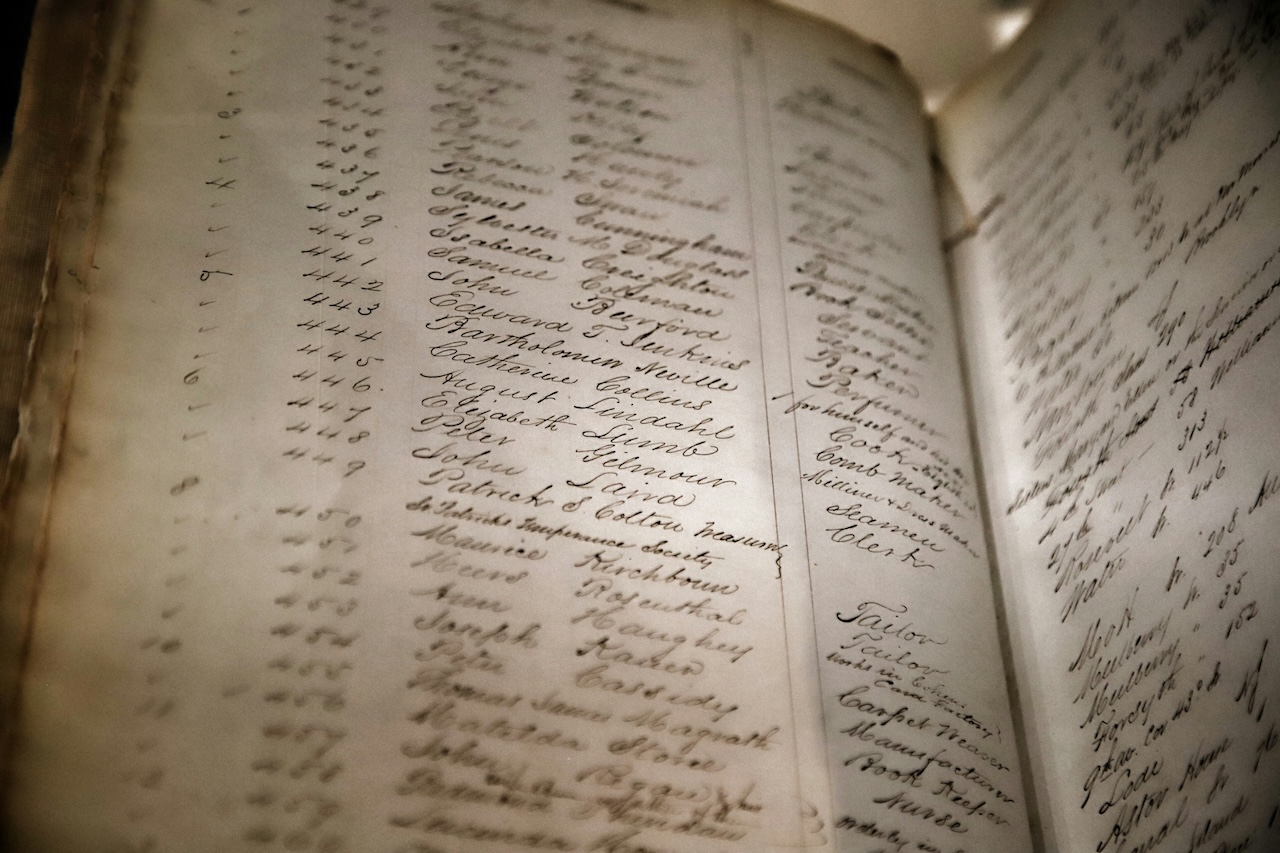
The NH register of probate is an elected county position that dates back to New Hampshire’s early government, when counties played a much bigger role in the court system.
The office appeared in the state’s original constitution in 1784 and became an elected position in 1877.
For years, registers of probate helped manage paperwork and court records involving wills, estates, guardianships and other legal matters. They assisted with the administrative work that kept probate courts running.
But that changed in 2011.
New Hampshire reorganized its court system, transferring the register of probate’s responsibilities to circuit court clerks and other court employees.
There was just one problem: The position was still written into the state constitution.
So, even though the job lost most of its responsibilities, voters have continued electing someone to fill it every two years.
What would the NH register of probate amendment change?
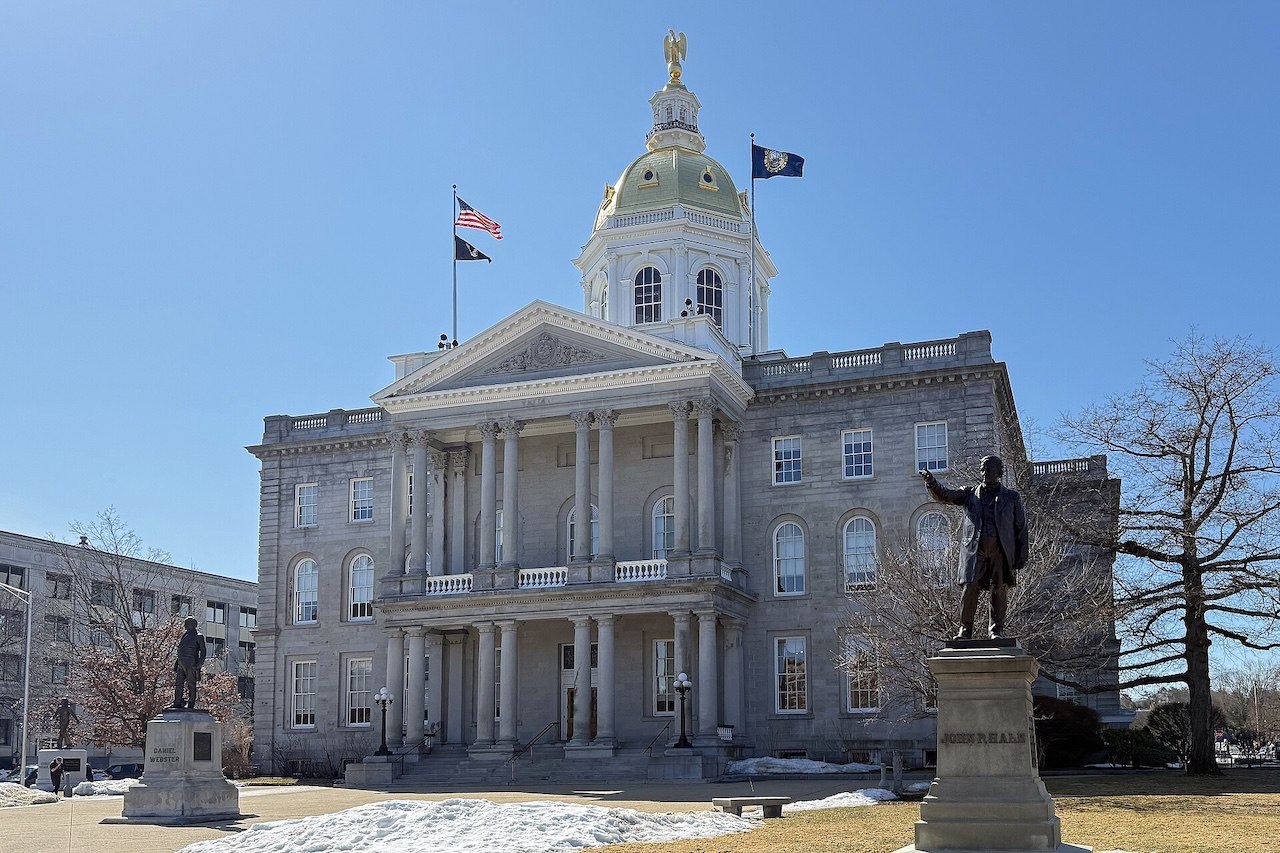
The proposed amendment, known as Constitutional Amendment Concurrent Resolution 13, or CACR 13, would eliminate the elected office of register of probate.
It would also remove references to the position from two sections of the New Hampshire Constitution.
The change wouldn’t eliminate probate courts or affect how wills, estates and guardianships are handled.
Those responsibilities would remain with the court system, just as they have since 2011.
The amendment would formally eliminate an elected position that no longer performs most of the work it was originally created to do.
What happens if you vote yes or no?
Yes: You support eliminating the elected position of register of probate from the New Hampshire Constitution.
No: You support keeping the position in the state constitution.
The amendment needs approval from at least two-thirds of voters who cast a vote on the question to pass.
That means a simple majority isn’t enough.
Haven’t New Hampshire voters decided this before?
Yes. This isn’t the first attempt to eliminate the register of probate.
In 2022, New Hampshire voters considered a similar constitutional amendment.
About 62.9% voted in favor of eliminating the position. But because constitutional amendments require a two-thirds majority, the proposal failed.
The register of probate remained in the constitution, and voters continued electing people to fill the office.
Lawmakers brought the issue back in 2026.
The New Hampshire House approved the proposed amendment by a vote of 325-15 in February, followed by the Senate in March with a 23-1 vote.
Now, the final decision is up to voters.
Why do some people want to keep the register of probate?
Although the position has few formal responsibilities today, some current and former registers have argued that the office once provided a valuable service.
Before the 2011 court reorganization, registers helped residents navigate probate matters, including the paperwork involved when someone dies.
Supporters of keeping or restoring the position have argued that having someone available to help residents understand the process could make probate matters less confusing and potentially reduce the need for legal assistance.
Those who favor eliminating the office argue that its former responsibilities have already been transferred elsewhere, making the elected position unnecessary.

Would eliminating the NH register of probate affect probate courts?
No. Probate courts would continue operating regardless of how voters decide the amendment.
The courts would still handle legal matters involving wills, estates, guardianships and other probate cases.
The amendment is about eliminating an elected county position, not changing the court system itself.
The bottom line
The NH register of probate amendment would officially eliminate an elected position whose former responsibilities were transferred to other court employees more than a decade ago.
A yes vote would remove the office from the state constitution. A no vote would keep it.
And because a similar proposal narrowly missed the required two-thirds majority in 2022, the outcome will depend on whether enough New Hampshire voters support the change this time around.
Related: Check out the complete guide to the election.
Keep reading: More on the New Hampshire ballot questions and 2026 election
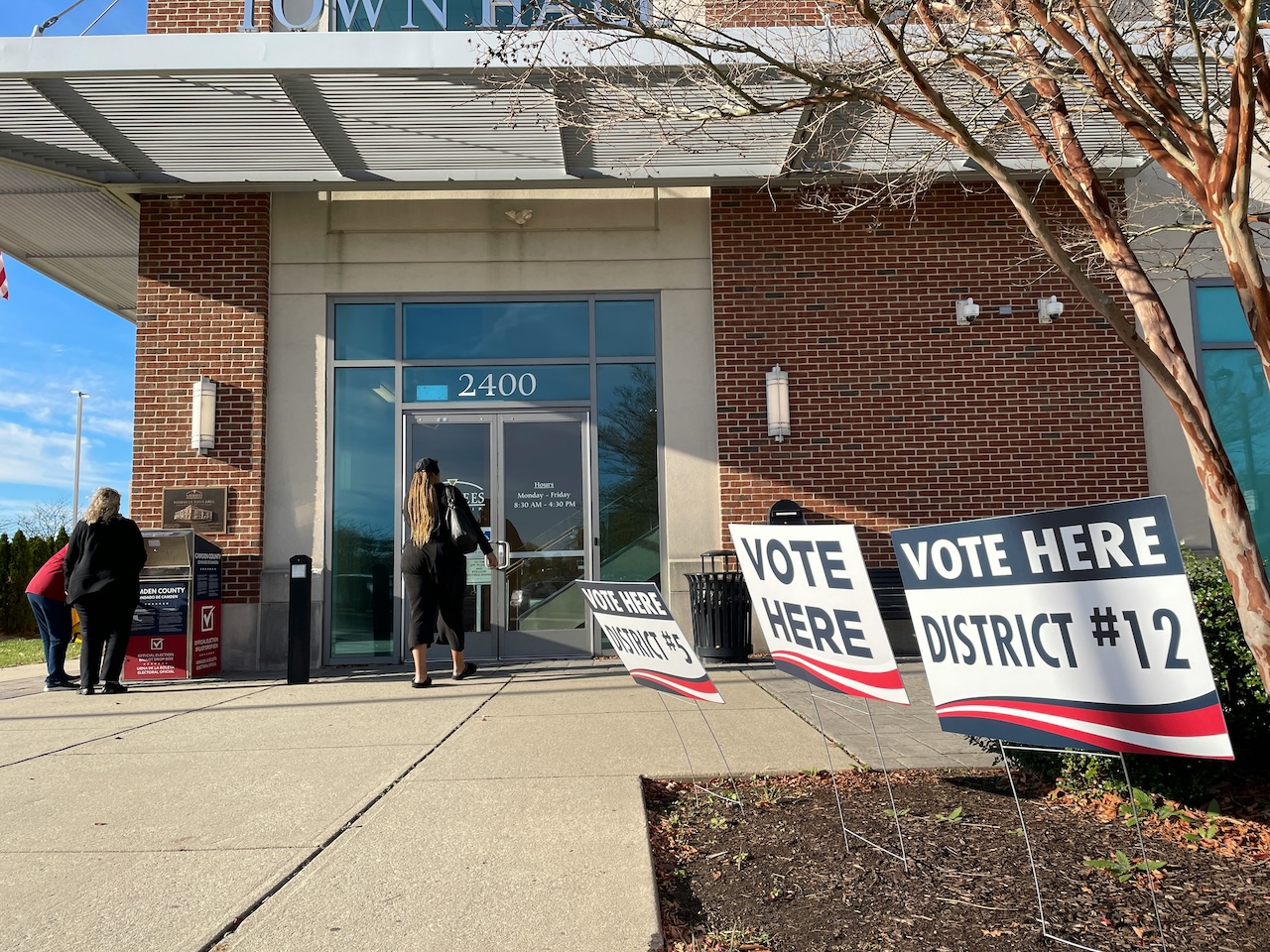
Your guide to voting in the election. What if you’re not registered to vote yet? Can you register on Election Day? What happens if you forget your ID? And how do you find out where you’re supposed to vote? Our guide answers 17 common questions about voting in New Hampshire, breaking down the rules, requirements and important details so you can head to the polls prepared and confident.

Who’s on your New Hampshire ballot?From Congress and the State House to county government, NH voters have plenty of decisions to make this November. Our New Hampshire election guide breaks down the races, the responsibilities of each office and the salaries that come with them, so you can get a better understanding of the people and positions on your ballot before heading to the polls Nov. 3.
Don’t miss a thing: Get New Hampshire news delivered to your inbox
Want to stay on top of the stories that matter in the Granite State? From the latest on New Hampshire ballot questions and local elections to politics, community news and things to do, we’ve got you covered.
Sign up for our free newsletter to get the news you need to know, delivered straight to your inbox. No digging through headlines required.